

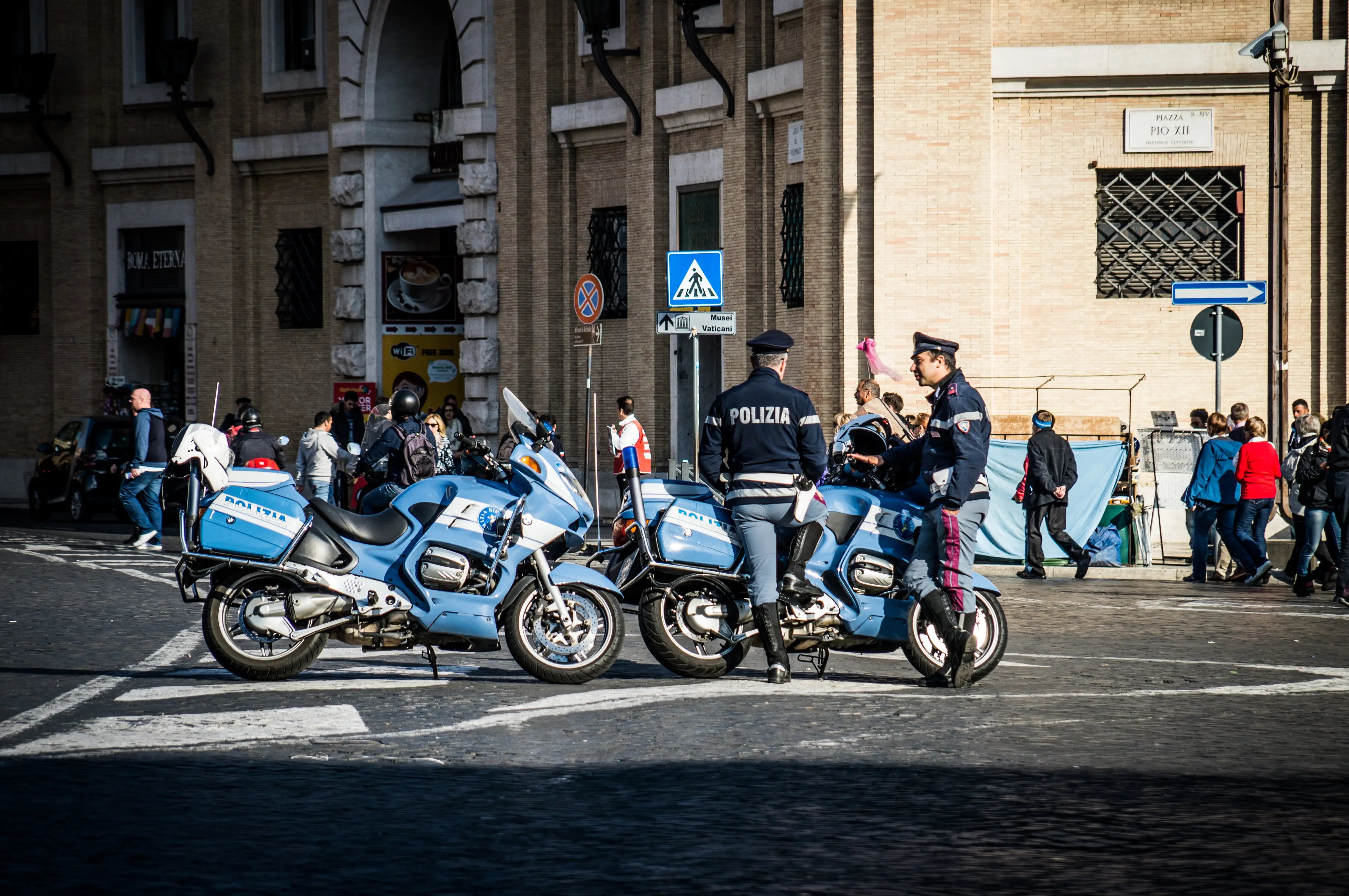
For many riders, motorcycle security starts when the bike is parked.
Whether it is kept at home, in a garage, on the street, or in a public parking area, there is usually a period when the motorcycle is unattended. Theft may not be something most riders encounter regularly, but it is still worth considering as part of everyday motorcycle ownership.
According to the National Insurance Crime Bureau (NICB), 44,564 motorcycles were reported stolen in the U.S. in 2025, with about 41% eventually recovered. NICB also found that more than half of recreational vehicle recoveries in its analysis occurred within two weeks after the theft was reported.
That raises a practical question: if something unexpected happens to a parked motorcycle, how quickly can the owner know, and what information can help afterward?
What Can Help Improve Motorcycle Security?
A practical motorcycle security setup can include mechanical protection, location tracking, video recording, and keeping accurate vehicle information.
The right combination depends on where the motorcycle is normally parked, how it is used, and what information the rider would want if something unexpected happens.
These features do not all serve the same purpose. Each addresses a different part of motorcycle security.
How Can You Reduce Motorcycle Theft Risk?
Where a motorcycle is parked is often the first consideration.
When possible, keeping a motorcycle inside a locked garage or another secure, enclosed space provides a straightforward layer of protection. For motorcycles that need to be parked outdoors or in public areas, additional mechanical security can make sense.
NICB recommends storing recreational vehicles in secure, enclosed locations whenever possible and using multiple layers of anti-theft protection, including steering locks, chains, and immobilizers. It also recommends keeping the vehicle's identification number and current photos on record.
A few practical steps include:
· Choose well-lit or regularly occupied parking areas when possible.
· Use the motorcycle's steering lock when parking.
· Consider a chain, disc lock, or other mechanical security based on the parking environment.
· Use a garage or other enclosed space for longer periods of storage when available.
· Keep the VIN, vehicle photos, and registration information somewhere accessible.
Together, these measures can make a motorcycle more difficult to move and ensure that important vehicle information is available when needed.
What Information Can Motorcycle Tracking Provide?
Tracking systems are primarily designed to provide location and movement-related information.
Depending on the system, GPS/GNSS can determine the motorcycle's position, while cellular or other communication networks can transmit relevant information to the owner. Some systems can also provide alerts when unexpected movement is detected.
For motorcycles that are regularly parked outdoors or in public areas, this can make it easier to confirm whether the motorcycle has moved and, when the device and network conditions allow, view its location afterward.
Actual performance depends on factors such as the device, network coverage, power supply, and installation environment. When choosing a tracking system, these practical details are worth considering alongside the tracking function itself.
Tracking provides location and movement information rather than visual information about what happened around the motorcycle.
What Can Video Recording Capture?
If tracking helps answer:
Where is the motorcycle?
video recording is more focused on:
What happened around it?
That is one practical use of a motorcycle dashcam in a parking environment.
If a motorcycle experiences an impact, noticeable vibration, or another qualifying event while parked, a dashcam with parking monitoring can help preserve relevant footage.
Compared with location information alone, video can provide more direct context about the surroundings and the event itself.
What is captured will still depend on factors such as camera position, viewing angle, lighting, and the conditions that trigger recording.
INNOVV K7: Recording While Riding and Parked
The INNOVV K7 is a dual-channel 2K motorcycle dashcam with front and rear recording and a built-in G-sensor. Both cameras support 2K recording at 30 fps, and the system also includes Parking Monitor.

During everyday riding, the K7 records the road ahead and behind the motorcycle. When the G-sensor detects a qualifying impact, the corresponding footage can be locked and protected from being overwritten during normal loop recording.
When Parking Monitor is enabled, the system uses the G-sensor to monitor vibrations while the motorcycle is parked and protects relevant footage when the triggering conditions are met.

This type of recording is not limited to theft-related situations. If a motorcycle is hit while parked, experiences an impact, or the rider wants to review a parking event, the footage can provide additional visual information.
What Motorcycle Information Should You Keep?
If a theft does occur, having accurate vehicle information ready can make the reporting process easier.
NICB recommends keeping the vehicle identification number, other identifying information, and current photos. It also encourages owners to report stolen recreational vehicles to law enforcement and their insurance carrier as soon as possible.
It is useful to keep:
· VIN and registration information
· Make, model, and color
· Recent photos of the motorcycle
· Details of distinctive modifications or accessories
· Relevant insurance information
These records do not change the motorcycle's physical security, but they can make it easier to provide accurate information when needed.
What About Insurance?
Some insurers may offer discounts for qualifying anti-theft equipment, but requirements vary depending on the insurer, location, policy, and type of device.
If you are considering adding a mechanical security device, tracking system, or another security feature, check with your insurance provider beforehand to confirm whether it qualifies and whether any specific certification or professional installation is required.
Choose Features That Fit the Way You Ride
There is no single motorcycle security setup that fits every rider.
A motorcycle that is usually kept in a garage may have different needs from one that spends most of its time parked outdoors or in public areas.
Mechanical security can add resistance to physical movement, tracking can provide location and movement-related information, and a dashcam can preserve video from both riding and parking situations.
Rather than simply adding more equipment, start with the way you actually ride and park your motorcycle, then choose the features that are genuinely useful for your situation.
For riders, security is not only about dealing with theft. It is also about having more information when a motorcycle is left unattended and having a record to look back on when something unexpected happens. That can make it easier to leave the bike parked and get back to the ride with greater peace of mind.
Aktie:
INNOVV ThirdEYE Blind Spot Detection: Mirror vs. Watch Version
INNOVV K7 Dash Cam for BMW R 1300 GS: Installation & Test