

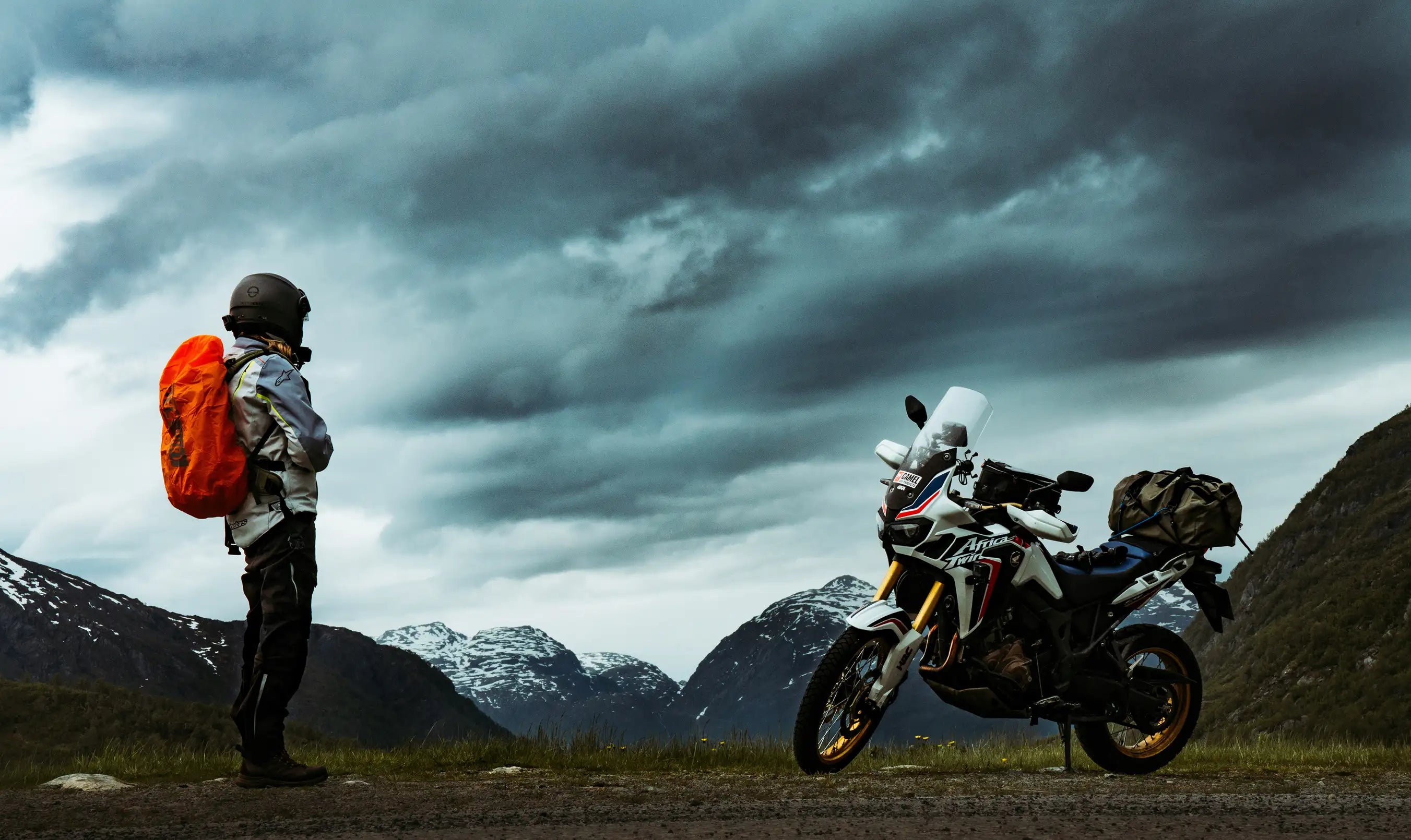
For many motorcycle riders, summer represents one of the best opportunities of the year to explore new roads.
In the United States, August is often a popular time for motorcycle touring. Longer daylight hours, vacation schedules, and more predictable weather conditions allow many riders to plan weekend rides, multi-day trips, or longer journeys across different regions.
However, a memorable motorcycle trip is rarely defined only by the final destination.
Years after a ride is completed, many riders remember the unexpected moments along the way: a scenic road discovered by chance, a small town where they decided to stop, a route change caused by changing weather, or a stretch of highway that became part of the story.
As motorcycle touring continues to evolve, experienced riders are paying more attention not only to where they go, but also to how they experience the journey.
From route selection and travel pace to recording memorable moments and using modern riding technology, a well-planned motorcycle trip is becoming a more complete experience.
For riders preparing for a summer motorcycle adventure in 2026, the destination is only one part of the plan. The journey itself deserves just as much attention.
From Reaching the Destination to Experiencing the Journey
Traditional motorcycle trip planning often begins with a destination.
A rider may decide to visit a national park, complete a cross-state ride, or follow a famous motorcycle route.
These goals remain important, but many experienced riders gradually discover that the most valuable parts of a trip often happen between the starting point and the destination.
The same distance can create completely different experiences depending on the route.
A highway may provide an efficient way to cover miles, while a scenic road through mountains, small towns, or coastal areas may offer more opportunities to explore and stop along the way.
When planning a summer motorcycle trip, it can be useful to consider not only:
“Where do I want to go?”
but also:
“What kind of experience do I want from this ride?”
Different touring styles create different experiences.
 There is no single approach that works for every rider.
Some riders prefer carefully planned routes with clear schedules, while others enjoy leaving room for unexpected discoveries. The best plan is usually the one that matches personal riding habits, available time, and travel expectations.
Route Planning: Distance Is Only One Part of the Journey
When preparing for a long-distance motorcycle ride, distance is often the first thing riders consider.
“How many miles can I cover each day?”
“How long will it take to reach the destination?”
These questions are useful, but they do not always determine the quality of the experience.
Road conditions, weather, traffic patterns, elevation changes, and personal riding rhythm all influence how a trip feels.
Summer riding conditions can vary significantly across the United States.
A mountain route may provide cooler temperatures and beautiful scenery, but it can also include more technical roads and fewer nearby services. A coastal route may offer impressive views, while popular areas can bring more traffic during vacation periods. Long highway sections may help cover distance efficiently, but extended riding time can also affect comfort.
When planning a route, many experienced riders consider factors beyond mileage.
 These considerations do not make a motorcycle trip more complicated. Instead, they help riders understand the journey ahead and create more flexibility when unexpected situations occur.
Managing Riding Pace: Keeping the Journey Comfortable
For experienced riders, the biggest challenge during a long motorcycle trip is often not completing a certain distance, but maintaining a comfortable pace throughout the entire journey.
Multi-day rides require attention to physical condition, concentration, and overall energy levels.
A schedule that is too tight may leave little room for unexpected stops, weather changes, or simply enjoying the road.
Many riders find that leaving some flexibility in the plan creates a more enjoyable experience.
A balanced touring schedule may include:
 Motorcycle touring is not only about completing a route.
The moments between destinations often become the parts riders remember most.
Recording the Journey: More Than Just Capturing Videos
As motorcycle touring becomes more popular, many riders are choosing to record their trips.
The purpose is not necessarily to capture every moment on camera. Instead, recording equipment can help preserve the details of a journey that may otherwise be difficult to remember later.
Photos often capture individual stops and destinations, while a motorcycle dash cam can document the road itself — the changing landscapes, different routes, and the overall riding experience.
For long-distance touring, recorded footage can be useful for:
- Reviewing memorable routes;
- Sharing experiences with other riders;
- Keeping a personal travel archive;
- Documenting unexpected situations on the road.
For many riders, the value of recording is not about creating more content. It is about keeping a personal connection with the journey.
INNOVV K7 Motorcycle Dashcam: Recording Your 2026 Summer Motorcycle Journey
For many riders, a motorcycle trip is not only about the destination but also about the roads, landscapes, and experiences along the way.
A long-distance ride may include changing weather, unfamiliar routes, different road conditions, and unexpected moments that become part of the overall journey. Having a way to record these experiences can help riders revisit the trip later or share their routes with other motorcycle enthusiasts.
A motorcycle dash cam is designed for this purpose.
Unlike a handheld camera or smartphone, a dedicated motorcycle camera can continuously capture the riding environment while the rider focuses on the road.
For riders planning summer touring in 2026, the value of a recording system is not only about capturing scenic views. It can also help preserve the complete experience of a motorcycle trip.
Different Touring Scenarios Where a Motorcycle Dash Cam Can Be Useful
Every motorcycle trip has its own character. Some riders spend several days crossing different states, while others prefer exploring local scenic roads during a weekend ride.
A motorcycle dash cam can support different types of touring experiences.
 For riders who enjoy reviewing past trips, recorded footage can become a personal travel archive.
A route that may feel familiar after returning home can look completely different when viewed again months or years later.
INNOVV K7: A Practical Recording Solution for Motorcycle Touring
For riders who want to document their journeys, the INNOVV K7 Motorcycle Dashcam provides a front and rear camera recording solution designed for motorcycle environments.
K7 features dual 2K recording, EIS electronic image stabilization, GPS tracking, G-Sensor event protection, and IP67-rated protection design.
These features are designed to support riders who want reliable footage during everyday rides and longer touring trips.
During a summer motorcycle journey, K7 can help capture:
- Different road conditions throughout the trip;
- Scenic routes that are difficult to record manually;
- Important moments during long-distance travel;
- A complete visual record of the journey.
For many riders, the purpose of a motorcycle dash cam is not to replace the experience of riding, but to preserve the parts of the journey that would otherwise only exist in memory.
From Smartphone Navigation to Smart Displays: How Technology Supports Modern Touring
Navigation has always been an important part of motorcycle touring.
For many years, smartphones have provided a convenient solution for route planning and real-time directions. They remain a practical choice for many riders, especially for shorter rides and occasional trips.
However, as motorcycle touring becomes more specialized, some riders are looking for solutions designed specifically around the riding environment.
Smart displays are one example of this trend.
Rather than replacing smartphones completely, motorcycle smart displays provide another way to access commonly used information while riding.
The purpose is simple: make frequently needed information easier to view without unnecessary interaction with a phone.
During a long-distance trip, riders may need access to
- Navigation directions;
- Music controls;
- Communication features;
- Route information.
Having these functions available through a dedicated motorcycle display can make the overall riding experience more convenient.
INNOVV N3 Smart Display: Supporting Navigation and Riding Information
For riders who spend more time on longer routes, having convenient access to navigation and connected features can improve the overall touring experience.
The INNOVV N3 Quick-Release Smart Display is designed as a motorcycle-focused display solution that supports Apple CarPlay and Android Auto connectivity.
By connecting with a smartphone, riders can access commonly used functions such as:
- Navigation applications;
- Music control;
- Communication features.
Beyond connectivity, the N3 is also designed with everyday motorcycle use in mind. Its quick-release design allows riders to easily attach or remove the display when needed, providing additional convenience for riders who may park their motorcycle in different locations or want to take the device with them after a ride.
In practical touring situations, N3 can help reduce the need to frequently check a phone during a ride.
For example, when following an unfamiliar route, riders can view navigation information directly through the display. During longer rides, controlling connected functions through a dedicated screen can provide a more convenient way to manage information.
Like other motorcycle accessories, a smart display is not necessary for every rider. The value depends on individual riding habits, travel frequency, and personal preferences.
For riders who regularly plan longer trips, it can become another useful tool within their touring setup.
Choosing Between Different Touring Technologies
Modern motorcycle riders have more equipment choices than ever before.
However, technology works best when it supports the riding experience rather than adding unnecessary complexity.
Different tools serve different purposes:
 The right combination depends on how each rider uses their motorcycle.
Some riders prefer a simple setup with minimal equipment, while others enjoy building a complete touring system that supports navigation, recording, and communication.
2026 Summer Motorcycle Touring Checklist
Preparing for a motorcycle trip is not about bringing the most equipment. It is about choosing the tools and preparation that match the type of journey.
A practical touring checklist may include:
 For shorter weekend rides, a simple setup may be enough.
For multi-day touring, additional preparation can help reduce unexpected issues and make the journey more comfortable.
Frequently Asked Questions
1. What makes a good summer motorcycle trip?
A good motorcycle trip depends on more than distance or destination.
Route selection, riding pace, weather awareness, and personal preferences all influence the experience. Many riders find that leaving enough flexibility in the schedule helps create a more enjoyable journey.
2. Is a motorcycle dash cam useful for touring?
A motorcycle dash cam can be useful for riders who want to record their routes, preserve travel memories, or maintain additional video records during their rides.
The value depends on how each rider prefers to document and review their experiences.
3. Can a motorcycle smart display replace a smartphone?
A smart display usually works together with a smartphone rather than completely replacing it.
Devices such as the INNOVV N3 Smart Display allow riders to access connected features through a motorcycle-focused interface while still using smartphone applications and data.
4. How far should I ride each day on a motorcycle trip?
There is no universal distance that works for every rider.
Daily mileage depends on experience, route type, weather conditions, and personal comfort. A balanced schedule that allows time for breaks and adjustments often creates a better overall experience.
The Journey Matters as Much as the Destination
A summer motorcycle trip is more than a route drawn on a map.
It is a combination of roads explored, places discovered, and experiences collected along the way.
For riders planning their 2026 summer motorcycle adventures, thoughtful preparation can help create a smoother and more enjoyable journey. Choosing a suitable route, maintaining a comfortable pace, and using helpful tools when needed can allow riders to focus more on the road ahead.
For those who want to preserve their riding experiences, the INNOVV K7 Motorcycle Dashcam provides a way to record the journey. For riders looking for easier access to navigation and connected features, the INNOVV N3 Smart Display offers another option for supporting modern motorcycle touring.
Ultimately, every motorcycle trip has its own story. The most memorable rides are often not defined only by how far they go, but by what riders experience along the way.
Aktie:
Is Ranging Accuracy Enough? Choosing Radar Frequency for Motorcycle BSD
4 Evenings + 1 Afternoon: Fitting the K7 Dash Cam on my BMW R1250GSA