

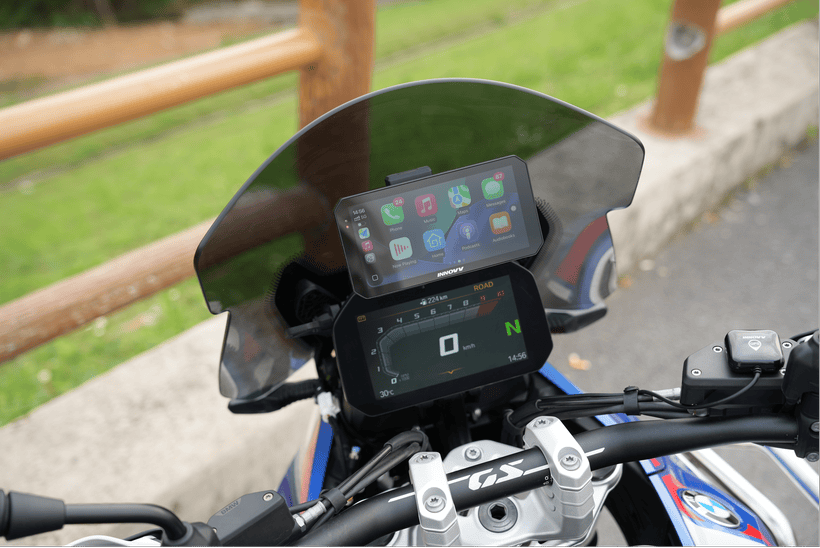
When shopping for a motorcycle smart display, the growing number of options makes it increasingly difficult to compare them at a glance. In this category, the core of making the right choice lies in understanding which features actually translate into a better riding experience, and which are just numbers resting on a spec sheet.
This guide aims to sort through that information. We will discuss the questions you need to clarify before buying and how these devices perform in real-world use. Regardless of what you ultimately choose, we hope the logic in this analysis will help you make an informed decision.
Clarify What Type of Rider You Are
Before making a purchase, you first need to identify your actual riding conditions.
Daily Commuters
Your focus usually differs from that of long-distance riders. Commuters tend to value system boot speed, stable connections, and reliability in heavy traffic and wet environments. You generally prioritize efficient navigation for the morning rush and whether the device is ready to go before you pull out of your parking spot, rather than recording scenic routes.

Weekend Short-Distance Riders
You typically head out for single-day rides once or twice a week. You might care more about map fluidity on continuous stretches of road and the ability to record specific routes. Since your bike is often kept in a private garage, your security environment differs from a bike parked on city streets all week, which might shift your focus regarding anti-theft features.

Touring Riders
You lean toward multi-day trips through unfamiliar areas. Your needs typically include compatibility with popular motorcycle navigation apps, system stability under complex weather conditions, and the ability to integrate with a broader riding ecosystem (like TPMS sensors, Bluetooth helmet headsets, and cameras).

ADV and Off-Road Riders
You generally place higher demands on the physical durability of the equipment, such as dust and mud resistance, as well as structural stability on bumpy, unpaved roads.

Most riders fall somewhere between these categories. Objectively assessing your real-world use cases before deciding which configurations to prioritize will help narrow down your choices.
Practical Considerations Before Buying
Is it compatible with my motorcycle?
Mounting compatibility is very specific. BMW riders need to confirm the version and locking mechanism of their Nav Prep mount (for example, some mounts with physical buttons may require specific interfaces). Non-BMW riders need to verify their handlebar diameter and whether the mounting position will interfere with existing vehicle components.
Which apps will I actually use for navigation?
Both CarPlay and Android Auto support mainstream navigation software. However, if you rely on specific motorcycle route-planning apps, you should confirm in advance whether they are optimized for the CarPlay interface.
Will I regularly maintain the camera system?
Dashcams require a healthy SD card and regular formatting. If you don't plan on managing this data, the budget allocated to the camera function won't translate into practical value.
Do I need a complete system, or am I willing to piece components together?
When shopping, consider the completeness of the accessories required to reach your final setup (including the display device, specific mounts, cameras, TPMS modules, etc.), and assess the compatibility between components from different brands to evaluate the future cost of installation and wiring maintenance.
INNOVV N3: A Design Approach for Actual Riding Needs
As a product that considered these usage details from the design phase, the INNOVV N3 offers a practicality-focused solution. Its main characteristic lies in simplifying the rider's operational workflow:
Convenient Quick-Release Design
In daily riding, riders frequently face situations where they need to leave their motorcycles for varying amounts of time. Whether it's a short stop at a convenience store or overnight parking in an open hotel lot during a road trip, traditional screw-mounted brackets often make removal so tedious that riders risk leaving the device on the bike. The N3 utilizes a mechanism that allows the display to be detached with one hand by pressing a release button, reducing what used to require tools into a fluid two-second motion. This makes it effortless for riders arriving at the office or parking in public areas for extended periods to carry the device with them, effectively lowering the risk of theft and preventing accelerated weathering from sun and rain exposure.

Original System Compatibility
Complex wiring is prone to loosening or water ingress at connection points after prolonged exposure to vibrations and weather, a common cause of equipment failure. To address this, the N3 minimizes reliance on exposed external cables. The BMW-specific version slots directly into the factory Nav Prep mount, drawing power directly through the mount's pins. This avoids the risks associated with routing additional wires through the vehicle and maintains a clean console. The universal version also reduces the physical impact of bumpy roads on connections through a highly integrated wiring harness and secure clamp design

Video Recording Support
Lighting conditions during a ride can change rapidly—from direct midday sunlight to the sudden darkness of a tunnel, or unlit roads at night. These high-dynamic-range scenarios put strict demands on camera sensors, with standard ones easily overexposing or losing shadow detail. The dual Sony IMX335 sensors equipped in the N3's Full Function Quick-Release Kit feature a back-illuminated structure specifically designed to enhance low-light capture. This enables the system to clearly document daytime road conditions and still provide usable, clear video footage when facing complex headlight glare at night or overcast environments.

Questions You Need to Answer Before Buying
What is your overall budget?
This should include all necessary expansion accessories, rather than just looking at the base unit price.
How often do you ride, and primarily in what conditions?
Frequency determines the importance of daily convenience; conditions dictate the need for water resistance.
Do you usually park in public spaces or a secure private garage?
Determines the value of a quick-release design like the N3's.
Do you own more than one motorcycle?
A display that supports multi-bike quick-release swapping can increase equipment utilization.
Do you need a camera function?
Single or dual-camera? And will you actually review and manage the recorded footage?
Which navigation apps are you used to?
Do they support CarPlay or Android Auto?
What is your motorcycle's handlebar diameter or pre-existing mount type?
This determines the physical compatibility of the device and the complexity of the installation process.
Answering these six questions honestly will make the buying process much clearer. For riders looking for a highly integrated solution, the N3 can meet these needs; for others, a different format might be more appropriate. The core of your purchase should always be ensuring the product serves your real riding life.
Aktie:
The INNOVV Brand History of Innovation in Motion
Our Core Values:What drives INNOVV