

If you already own a smartphone or action camera, you might wonder whether you really need a dedicated motorcycle dashcam. After all, both devices can record video, so what makes a dashcam different?
The difference becomes clearer when you ride regularly. You might use your phone for navigation and take out an action camera when you want to capture a scenic road. But if a car suddenly changes lanes or something unexpected happens at an intersection, you may not have time to start recording.
A motorcycle dashcam is designed to record your ride continuously without requiring you to operate it every time you set off. For riders who commute daily or regularly take longer trips, that can make recording much more convenient.
What Does a Motorcycle Dashcam Record?
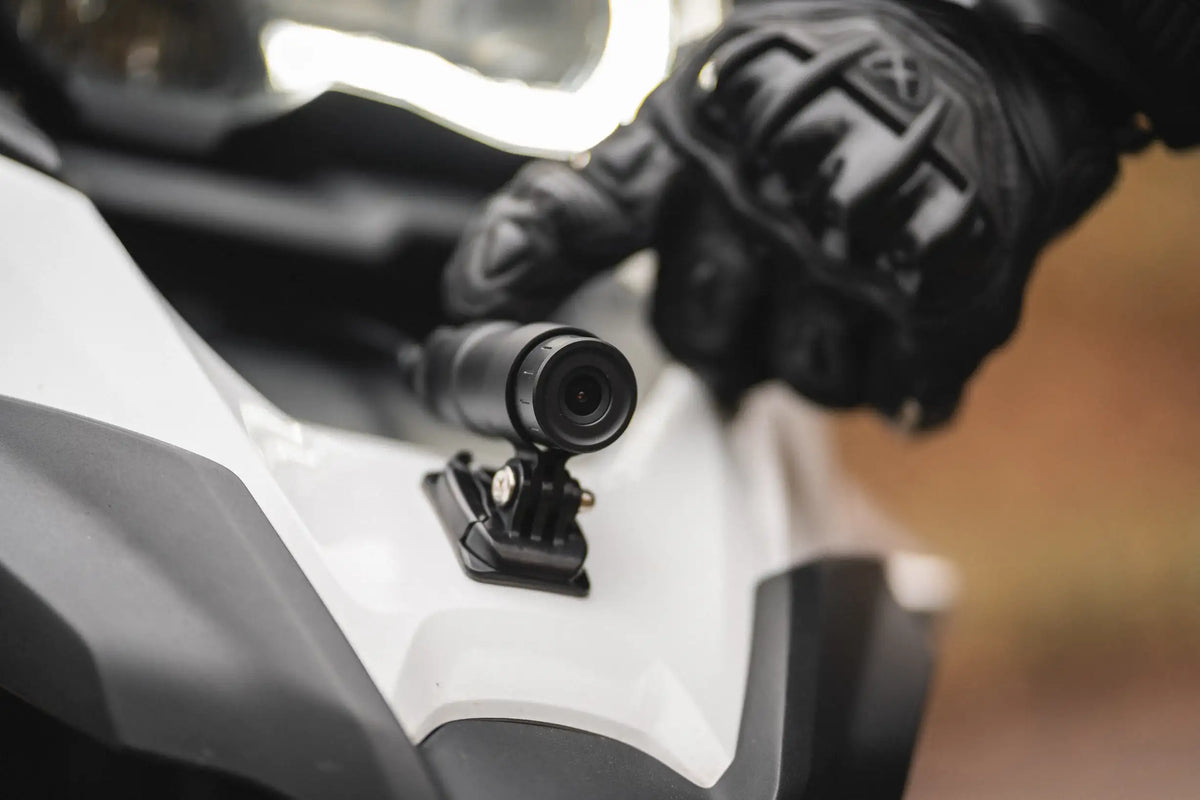
A motorcycle dashcam typically uses cameras mounted at the front and rear of the bike to record the road. Some systems also support GPS, allowing you to review location, time, or other riding data alongside your footage.
Most of the time, you probably won't think much about the recordings. But if a vehicle suddenly cuts in, you have to brake hard, or a minor collision occurs, having footage to review can be useful. Memory alone may not be enough to recall every detail of a situation that unfolded in just a few seconds. A recording gives you another way to see what happened.
How Dashcam Footage Can Help After an Incident
After a motorcycle accident, the people involved may have different accounts of what happened. Whether a vehicle changed lanes unexpectedly, where another vehicle came from, and the positions of the vehicles before impact may all be relevant when the incident is reviewed.
If you have a dashcam installed, the footage may help clarify these details. A front-and-rear system can provide views of both directions, giving you more information about the moments leading up to an incident.
Progressive, a US insurance company, also notes that dashcam footage may help insurers understand how an accident happened, particularly when the people involved disagree about the circumstances. However, footage does not automatically determine fault. Responsibility depends on the applicable laws, the investigation, and the other available evidence. Having a dashcam also does not guarantee an insurance discount.
Why Consider Front and Rear Cameras?
When shopping for a first motorcycle dashcam, many riders naturally focus on the front camera. Recording the road ahead is important, but traffic can approach from behind or pass from the side. If you only record the front, you may miss useful details about what was happening behind you.
A dual-camera system records both directions at the same time. The INNOVV K7, for example, supports synchronized front and rear recording, capturing the road ahead as well as activity behind the bike. This can be useful for daily commuting, riding in busy traffic, and longer trips when you want a more complete record of your surroundings.

More Than Accident Recording
Not everyone buys a dashcam because they are worried about accidents. Some riders simply want to keep a record of their rides, whether it's a favorite mountain road, a long-distance trip, or a scenic stretch of coastline.
An action camera is better suited to deliberate filming, with more control over angles and composition. A dashcam takes a different approach: once installed and set up, it records while you ride. You can review the footage afterward and save any clips you want to keep.
A dashcam may not produce the carefully framed footage you would want for a travel video. If your main goal is to create polished riding videos, an action camera may still be the better choice.
GPS Can Help You Review Your Route
Some motorcycle dashcams include GPS, which can record location and other riding data. When reviewing footage from a long trip, you may be able to use this information to identify where you were along the route.
This can be handy when you ride unfamiliar roads. For example, if you pass a scenic stretch and later want to find it again, the footage and associated GPS data may help you identify the location. The information available will depend on the device and its companion software.
If you mainly use your motorcycle for commuting and rarely review your routes, GPS may not be a top priority. Reliable recording and clear footage may matter more for everyday use.
Can a Dashcam Record While the Motorcycle Is Parked?
Some motorcycle dashcams offer parking mode. Depending on the system, it may monitor the area around the motorcycle after the engine is switched off and record or save footage when a qualifying event is detected.
This can be useful if you often park on the street or in public parking areas. If the motorcycle is struck or disturbed while parked, the system may capture footage of what happened. However, parking mode cannot guarantee that every incident will be recorded. Its effectiveness depends on the detection method, camera coverage, and power supply.
Before buying, check how parking mode works, whether it requires additional wiring or accessories, and how long it can operate with the motorcycle switched off. Different products can handle this feature in different ways, so it's worth checking the details rather than relying on the label alone.
Can a Phone or Action Camera Do the Same Job?
Smartphones and action cameras can both record video, but they come with different considerations.
A phone may already be busy handling navigation and communication. If you also use it to record your ride, you'll need to think about how to mount it securely, keep it powered, manage storage, and make sure recording has started. Extended exposure to sunlight and running navigation and video simultaneously can also contribute to heat and battery drain.
Action cameras are designed for filming, but recording an entire ride means keeping an eye on battery life, storage capacity, and recording status. How practical this is will depend on the camera and how you use it.
A dedicated dashcam is built primarily to record the road while the motorcycle is in use. Once installed and configured, it can reduce the need to prepare and operate a separate recording device before each ride. For riders who regularly commute or travel and want footage from both directions, this setup may be more convenient.
What Should You Look for in Your First Motorcycle Dashcam?
Dashcam specifications can seem complicated at first, but you don't need every available feature. Start with how you ride and choose the features that fit your needs.
Front and rear cameras: Consider a dual-camera system if you want to record both the road ahead and what happens behind you.
Loop recording: This allows the system to overwrite older standard footage when storage fills up. If a clip is important, check that it has been locked or backed up before it can be overwritten.
Video quality and night performance: Don't judge a camera by resolution alone. If you often ride at night, look at how well it captures details in low light, handles headlights, and records moving scenes.
Power and installation: Check whether the system connects to the motorcycle's electrical supply, starts recording automatically with the bike, and can be installed properly on your model.
GPS: If you want to review location or riding data, confirm which GPS features are supported and what information the companion software can display.
Parking mode: If you often leave your motorcycle outdoors, check how parking mode detects events, how it is powered, and how long it can operate.
Is a Motorcycle Dashcam Worth It for You?
It depends on how you ride.
If you only ride occasionally and mainly want to film your trips, an action camera may be enough. But if you commute regularly, take long-distance rides, or want to be able to review what happened around your motorcycle, a dedicated dashcam is worth considering.
You may not need to watch the footage every day. Most recordings might simply show your usual commute. But if you ever need to check how an incident unfolded or find a road you rode on during a trip, having that footage could make a difference.
Share:
How to Ride a Motorcycle Safely at Night