

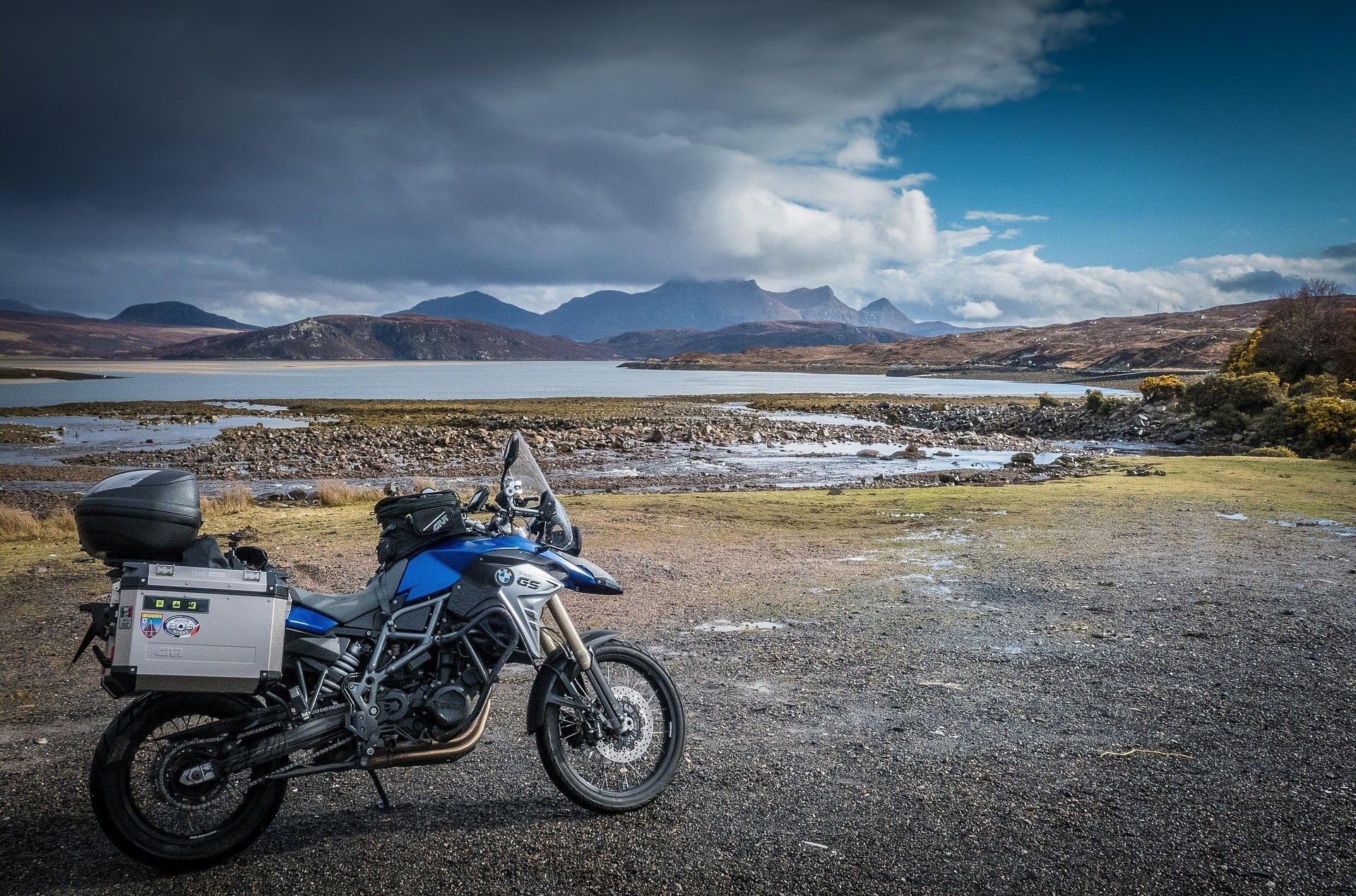
Motorcycle touring is a unique way to experience the open road. A great motorcycle tour requires not just the passion to hit the road, but also thorough preparation. Every piece of gear you choose is a conversation between you and the road. In 2026, new technologies and equipment offer more choices for riding safety and comfort. This guide synthesizes real-world riding experience to summarize a comprehensive list of motorcycle road trip essentials, providing a reference checklist to help you on your next journey.
01 / PRE-RIDE CHECKLIST
While high-quality gear is undoubtedly important, ensuring the health of the motorcycle itself is always the first step to a smooth trip. The T-CLOCS pre-ride inspection (derived from the US MSF course) is an internationally recognized standard. It takes just 5 minutes to complete and covers 6 key areas.
 For a detailed, printable version, see the MSF T-CLOCS Inspection Checklist.
02 / SAFETY GEAR
Among all equipment, safety gear always comes first. Your riding jacket, helmet, and gloves form your first line of defense; the absence of any single item will amplify the risk in an accident. Here are some core Road Trip Essentials for long-distance highway safety.
Full-face Helmet: Highly recommended for long-distance riding. Focus on ECE 22.06 or DOT certification, and try to keep the weight under 1.4kg to reduce neck fatigue.
Motorcycle Jacket: CE Level 2 armor (elbows, shoulders, back) is recommended. For touring, a 3-in-1 jacket is ideal: a waterproof outer shell, a thermal mid-layer, and a breathable base layer.
Riding Gloves: Human instinct during a crash is to brace with your hands. Hard palm sliders and knuckle protectors are crucial. It is recommended to pack two pairs for long trips (waterproof + ventilated mesh).
Motorcycle Boots: Ankle support is the priority; standard sneakers cannot provide lateral protection. Touring boots (balancing riding protection with walking comfort) featuring high-top designs are preferred.
Riding Pants / Knee Guards: Riding pants with CE-certified knee and hip armor, or standalone motorcycle knee guards worn under pants. Given the stable sitting posture on long rides, armor should not be ignored.
Hearing Protection: Even with a full-face helmet, wind noise at high speeds still causes hearing fatigue. Motorcycle-specific noise-reducing earplugs can filter harmful wind noise while allowing you to clearly hear your engine and intercom.
03 / NAVIGATION & COMMS
Navigation is the nervous system of a long road trip. It must not only fulfill its function but also solve the issues of device wear and tear caused by harsh weather and high-frequency vibrations. Equipping your bike with the best motorcycle accessories 2026.
Phone Mount (Anti-vibration): Motorcycle vibrations can damage a smartphone's Optical Image Stabilization (OIS) module. If you prefer using your phone directly for navigation, it is recommended to equip a vibration-dampening phone mount to reduce the risk of device damage.
Smart Riding System: For riders who want to protect their phones from vibration and weather damage while still needing large-screen navigation and communication, the INNOVV N2 Smart Riding System and N3 Quick-Release Smart Display are the ideal advanced choices. It seamlessly projects functions onto a dedicated screen, keeping your phone safely stored in your pocket.
Mesh Communication System: The upgraded Mesh intercom system supports more stable communication between group riders. Even if someone temporarily rides out of range, it enables automatic and seamless reconnection once they get closer.
Motorcycle Dashcam: For continuous recording and riding security, the INNOVV K7 dashcam, featuring a 2K dual-recording design (front and rear), is a highly practical addition for accident evidence and capturing the journey. Its parking monitor mode can provide security surveillance while the vehicle is parked, offering reliable video evidence.
04 / TOURING LUGGAGE
A common motorcycle touring setup that balances practicality and flexibility is the three-piece combination: hard cases + a small tail bag + a tank bag. The core philosophy of packing is to "pack right" rather than "pack more." Before loading up your bike, take a moment to evaluate the actual usage frequency and necessity of each item. This will effectively help you avoid overpacking and keep your journey light.
 If you own an INNOVV N2 BMW or N3, check out the dedicated waterproof bag. It effectively protects your detached screen from scratches and moisture, making it an ideal accessory for stowing in your backpack or luggage.
05 / EMERGENCY KIT
On long-distance highway trips, rescue response times in remote areas can be slow. Self-rescue capability is one of your most important safety guarantees. It is recommended to keep the weight of the following toolkit under 2kg, which can be tucked into the corner of a pannier.
Tire Repair Kit: Mushroom plug kit paired with an electric air pump. The INNOVV P1 portable air pump is the ideal choice for long-distance motorcycle touring. With multiple scene presets, it effectively simplifies tire pressure maintenance and emergency inflation.
First Aid Kit: Should include bandages, iodine swabs, band-aids, a triangular bandage, and basic medications. Store in an easily accessible inner layer like the tank bag or top case.
Jump Starter: A dead battery is one of the most common breakdowns on a long motorcycle tour. A compact, motorcycle-specific jump starter can also serve as a backup power bank.
Tool Kit: T-handle hex key set, screwdrivers, zip ties, electrical tape, etc. This can solve 80% of minor mechanical issues on the road.
Flashlight + Safety Triangle: Basic safety guarantees for night breakdowns. A single folding reflective triangle is sufficient. A USB-rechargeable flashlight is recommended so it can share a charger with other devices.
Offline Maps + Power Bank: Cell signal is often poor in remote mountainous areas. It is recommended to download offline navigation maps in advance so you can use navigation even without a signal. Prepare a backup power bank.
06 / SEASONAL SETUP
The "best motorcycle accessories" question has no single answer — season determines configuration. The chart below shows the incremental gear to add on top of your base kit for each season. Crossing multiple climate zones in one trip? The layering system below handles it.

The core to handling variable weather on a long tour is building a scientific seasonal setup around the Layering System: a moisture-wicking base layer to keep you dry; an easily packable fleece or lightweight down jacket for the thermal mid-layer; and a professional riding jacket with armor or a high-quality rain shell for the outer layer.
FAQ
What's the minimum gear I need for a first long-distance trip?
We recommend a full-face helmet, an armored riding jacket, gloves with knuckle protection, and boots that cover the ankles. Start wearing riding pants before your first trip. These four items protect your head, hands, and joints—the areas most commonly injured in a low-side crash. While some gear mentioned in this guide represents the best motorcycle accessories to enhance touring comfort and capability, this foundational protection is extremely important.
What is the difference between CE Level 1 and CE Level 2 armor?
Both are tested under the EN 1621 standard. Level 2 absorbs significantly more energy during an impact. For long-distance highway touring, Level 2 armor for the elbows, shoulders, and back is well worth the cost. Level 1 armor is suitable for low-speed, short-distance urban commuting. Level 2 armor is recommended for long-distance touring.
Which luggage system is best for a solo touring rider?
When dialing in your Motorcycle Touring Setup for solo travel, a "top case + tank bag + backpack" combination (or "top case + symmetrical soft panniers") is usually more practical than a full set of hard panniers. It not only keeps the motorcycle narrower for filtering through city traffic and parking but also maintains the vehicle's handling balance, all while providing 50 to 70 liters of total storage. You can also mix and match according to your personal preferences and riding habits; the above is just a practical suggestion. Always confirm if the luggage system fits your specific motorcycle model before purchasing.
Share:
The Best Motorcycle Smart Navigation Systems of 2026: INNOVV N2 Deep Dive
77GHz vs 24GHz Radar for Motorcycles: Why Frequency Matters for Blind Spot Detection